
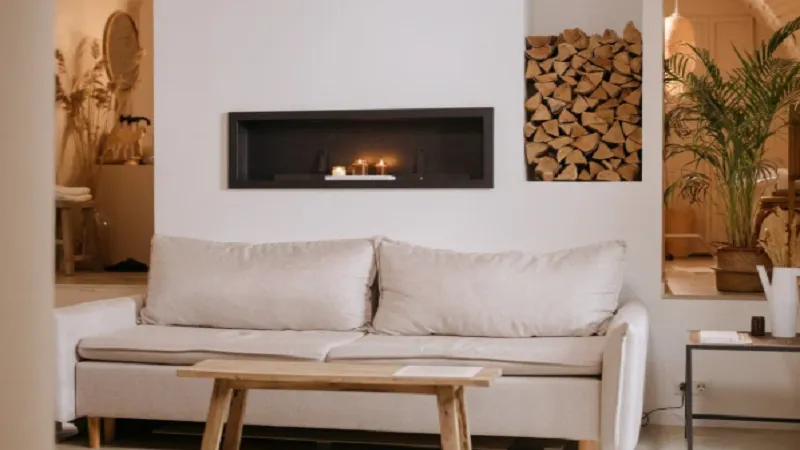
A lively home is full of wonderful energy, yet shared spaces rarely stay still for long. Between breakfast prep, homework at the kitchen table, video calls, and evening chores, finding a pocket of genuine quiet under your own roof can feel surprisingly difficult. Without a clear physical boundary, personal downtime often gets squeezed out by household noise and visual clutter.
Setting up a dedicated quiet corner changes that dynamic without requiring a spare bedroom or a major renovation. Even a few square feet beside a window, tucked into a bedroom, or angled away from the living room television can become a reliable anchor for the entire household. When people know there is a calm spot reserved for rest and reflection, taking a breather becomes a natural part of daily life.
Why Shared Homes Benefit From a Dedicated Quiet Zone
Our surroundings quietly shape how we feel. When you try to unwind on the same couch where laundry gets folded and backpacks land after school, your brain stays alert to unfinished chores. Whether you live in a compact California apartment or a busy family house, a designated quiet corner acts as a gentle visual cue that it is okay to pause, lower your shoulders, and step away from the rush.
Interior design coverage from Apartment Therapy highlights how intentional “rest corners” are becoming a staple in modern homes, noting that low-traffic spots paired with natural light, soft textiles, and subtle furniture partitioning help people decompress even in compact floor plans. Because the space serves a single, peaceful purpose, it invites calm the moment you sit down.
This kind of nook supports the whole family rather than just one person. Adults gain a spot for morning coffee or quiet reading, teens get a low-pressure place to decompress after a long school day, and younger children learn early that stepping aside to reset is a healthy, practical skill.
Pairing a Peaceful Home Environment With Supportive Care
Designing a calming environment at home lays a strong foundation for daily well-being, yet there are seasons when individuals, couples, or families benefit from an extra layer of guidance. Navigating major life transitions, strengthening communication at home, or working through ongoing stress often feels more manageable with a steady, experienced sounding board.
For residents across the state looking to explore outpatient support, connecting with a California in-network therapist makes it straightforward to use existing health plan benefits for predictable, ongoing care. Having access to licensed clinicians who work with adults, children, adolescents, couples, and families lets your household find thoughtful, tailored support that fits comfortably into your weekly schedule, including convenient virtual visits from home anywhere in California.
Just as a quiet corner gives you a reliable physical place to pause, regular sessions offer a dedicated emotional space to reflect, build practical coping tools, and strengthen the relationships that matter to you.
Four Elements That Turn an Empty Corner Into a Personal Retreat
You do not need an elaborate budget to build a space that feels restorative. Focusing on comfort, light, and simplicity goes a long way:
- Comfortable, Inviting Seating: Start with a supportive armchair, a cushioned window bench, or a stack of oversized floor pillows. Choose seating that feels cozy enough to curl up in while staying easy to keep tidy.
- Warm, Layered Lighting: Overhead ceiling fixtures often feel harsh and clinical. A slim floor lamp with a warm bulb, a small table lamp, or sheer curtains that soften afternoon sunlight instantly shifts the mood toward relaxation.
- Soft, Grounding Textures: Laying down a small plush rug visually separates the corner from the rest of the room and absorbs background noise. Adding a knit throw blanket and a supportive pillow makes the spot feel immediately welcoming.
- Simple Analog Essentials: Place a compact side table or woven basket nearby to hold a paper journal, a couple of favorite books, sketching supplies, or comfortable headphones. Keeping phones and tablets out of the corner preserves its peaceful atmosphere.
Adapting the Space for Different Ages and Household Rhythms
One of the best things about a shared quiet corner is how easily it flexes to fit different stages of life. A few small, thoughtful touches let adults, couples, and kids share the same nook comfortably throughout the week.
| Household Member | How They Use the Space | Helpful Addition |
|---|---|---|
| Parents and Caregivers | Morning reflection, reading a chapter, or enjoying ten quiet minutes after dinner | A small side table for tea, a notebook, and a soft throw blanket |
| Teens and Older Kids | Listening to music, journaling, or decompressing after sports and homework | Comfortable headphones and a supportive backrest pillow |
| Younger Children | Looking through picture books, drawing, or taking a calm break when energy runs high | A low basket with coloring books, crayons, and a favorite stuffed animal |
| Couples | Sitting side by side for an unhurried, screen-free check-in at the end of the week | A floor cushion or nearby ottoman so two people can chat comfortably |
Establishing simple household etiquette keeps the space working smoothly. Agreeing that anyone sitting in the corner gets ten or fifteen uninterrupted minutes teaches respect for personal boundaries across generations.
Keeping Your Quiet Corner Clutter-Free and Welcoming
The easiest way for a rest corner to lose its appeal is letting it turn into a drop zone for mail, jackets, or stray toys. Doing a quick two-minute reset each evening, folding the throw blanket and clearing away mugs or stray items, keeps the space ready whenever someone needs it.
Protect the corner as a judgment-free zone. Remind children and adults alike that stepping into the nook is never a timeout or a chore, but a welcoming habit for recharging. Over time, that small pocket of calm becomes a favorite spot in your home, quietly supporting clearer minds, kinder conversations, and steadier days for your household.