
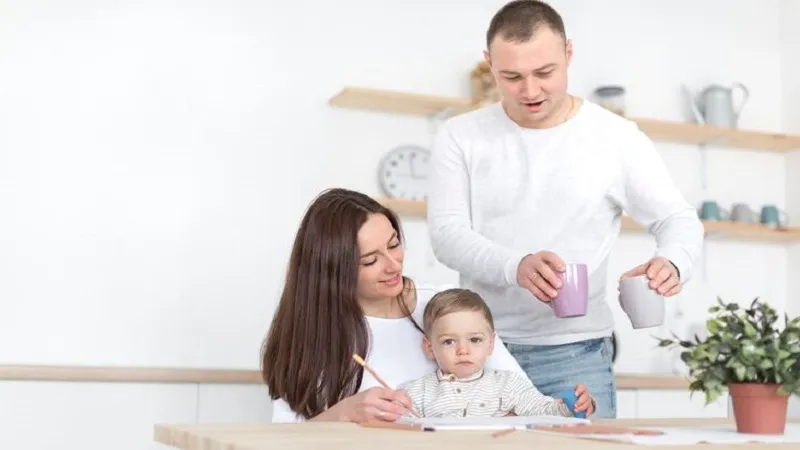
Modern life can feel busy, confusing, and stressful. People often have many responsibilities at the same time, including work, family, personal goals, household tasks, and social relationships. Finding a healthy balance can be difficult, especially when there is little time for rest. A practical approach to everyday living can make these responsibilities easier to manage.
ImpoCoolMom can be understood as a lifestyle-focused idea centered on practical habits, family life, organization, self-care, and positive daily routines. Instead of trying to change everything at once, it encourages people to focus on small improvements that can create meaningful results over time.
What Does ImpoCoolMom Mean?
ImpoCoolMom represents a simple approach to making everyday life more organized, comfortable, and positive. The idea can be connected with practical lifestyle advice that helps people handle ordinary challenges without unnecessary pressure.
A good lifestyle does not require expensive products or complicated plans. Sometimes, simple actions such as preparing a schedule, keeping a clean space, spending quality time with family, getting enough sleep, and taking short breaks can make a noticeable difference.
The most important part is consistency. A small habit practiced regularly can become more useful than a large change that is difficult to maintain.
Why Simple Lifestyle Habits Matter
Daily habits influence how people spend their time and energy. When everyday routines are disorganized, even small responsibilities can become stressful. A clear routine can make tasks easier to understand and complete.
For example, preparing clothes the night before can save time in the morning. Planning meals can reduce last-minute decisions. Writing down important tasks can help prevent forgotten responsibilities.
ImpoCoolMom encourages this kind of practical thinking. Rather than searching for a perfect lifestyle, people can identify areas that need improvement and make realistic changes.
Creating a Better Daily Routine
A daily routine provides structure. It does not have to be strict or complicated. The goal is to create a flexible system that supports important responsibilities while leaving enough room for unexpected events.
Start by identifying the most important activities of the day. These may include work, study, family responsibilities, meals, exercise, and rest. Put these activities into a simple schedule.
Morning routines can be especially helpful. Waking up at a consistent time, drinking water, preparing for the day, and reviewing important tasks can create a calm beginning.
Evening routines are equally valuable. Cleaning a small area, preparing things for the next morning, reducing screen time, and going to bed at a reasonable time can support better organization.
Keeping the Home Organized
A clean and organized home can make daily activities easier. However, keeping everything perfect is not necessary. Small cleaning sessions can be more manageable than waiting for a large amount of work to build up.
Try focusing on one area at a time. A kitchen counter, bedroom table, closet, or desk can be organized in a few minutes. Items that are no longer useful can be removed, while frequently used items can be kept within easy reach.
Families can also share household responsibilities. When everyone contributes, one person does not have to manage every task alone.
The practical principles behind ImpoCoolMom can be applied to home organization without making household life feel like another source of pressure.
Managing Time More Effectively
Time management is not about filling every minute with work. It is about understanding priorities and using available time wisely.
One useful method is to divide tasks into three groups: urgent, important, and optional. Urgent tasks need immediate attention. Important tasks contribute to long-term goals. Optional activities can be completed when time allows.
Avoid creating an unrealistic daily list. A short list of achievable tasks can provide a stronger sense of progress than a long list that remains unfinished.
Another helpful habit is to avoid unnecessary multitasking. Focusing on one task at a time can make it easier to complete work carefully and efficiently.
Making Family Time Meaningful
Family time does not always require a special event or expensive outing. Simple activities can create strong connections. Eating a meal together, talking after dinner, taking a walk, playing a board game, or watching a family-friendly movie can provide opportunities for communication.
Parents and children often have different schedules, so even a short period of focused attention can be valuable. During conversations, putting away distractions such as phones can help family members feel heard.
Good family relationships are built through regular communication. Listening is just as important as speaking. Asking children about their day and allowing them to express their feelings can encourage trust.
Taking Care of Personal Well-Being
Personal well-being is an important part of a balanced lifestyle. People sometimes focus so much on work and family responsibilities that they forget to take care of themselves.
Self-care does not have to mean spending money or taking a long vacation. It can include getting enough sleep, eating balanced meals, taking a walk, reading a book, enjoying a hobby, or simply taking a quiet break.
Regular physical activity can also support general well-being. Walking, stretching, cycling, or other suitable activities can be included according to a person’s abilities and daily schedule.
The goal of ImpoCoolMom is not to create pressure around self-care. Instead, it highlights the importance of making reasonable space for personal needs.
Building Healthy Eating Habits
Food choices can have an important role in everyday life. Healthy eating does not mean every meal must be complicated. Simple meals made with a variety of nutritious ingredients can be practical for busy households.
Planning meals ahead can reduce the temptation to rely on last-minute choices. Keeping basic ingredients available can also make cooking easier.
Families can involve children in simple kitchen activities that are appropriate for their age. Helping wash vegetables, organize ingredients, or choose between healthy options can make mealtimes more engaging.
It is also useful to approach food with balance rather than unnecessary restriction. A sustainable eating routine should fit the household’s needs, preferences, culture, and budget.
Using Technology Wisely
Technology provides many useful tools for communication, education, entertainment, and organization. However, excessive screen use can sometimes interfere with sleep, family conversations, work, or physical activity.
Creating technology boundaries can help. Families may choose specific times for meals without phones or establish a period before bedtime with reduced screen use.
Parents can also encourage children to balance digital activities with outdoor play, reading, creative hobbies, and face-to-face communication.
Technology itself is not automatically good or bad. What matters is how it is used and whether it supports or interferes with everyday priorities.
Teaching Children Useful Life Skills
Children can gradually learn skills that help them become more independent. These may include cleaning their personal space, organizing school materials, preparing simple foods with supervision, managing belongings, and understanding basic time management.
Teaching should be age-appropriate and patient. Mistakes are a normal part of learning.
Instead of completing every task for children, parents can give them opportunities to participate. A child who learns how to organize a school bag or prepare clothes for the next day may become more confident in handling responsibilities.
These lessons can also strengthen cooperation within the household.
Handling Stress in Everyday Life
Stress is a normal part of life, but constant pressure can make ordinary responsibilities feel harder. Creating simple routines may reduce some avoidable sources of stress.
When the day feels overwhelming, start with one small task. Completing something manageable can provide a sense of progress.
Taking a few quiet minutes, walking outside, talking with someone trusted, or practicing slow breathing can also be useful for everyday relaxation.
People should also recognize when stress becomes difficult to manage. Persistent or severe distress may require support from a qualified professional.
Developing a Positive Mindset
A positive mindset does not mean ignoring problems. Instead, it can involve looking at challenges realistically while focusing on possible solutions.
For example, a missed task does not mean the entire day has failed. A person can simply adjust the schedule and continue.
Gratitude can also become a simple daily practice. Thinking about a few things that went well can help shift attention toward positive experiences.
ImpoCoolMom can serve as a reminder that improvement does not require perfection. Progress can happen through small decisions repeated over time.
Creating Sustainable Habits
One of the biggest mistakes people make when changing their lifestyle is trying to make too many changes at once. A better approach is to begin with one or two realistic habits.
If someone wants to become more organized, they might begin by making the bed each morning or spending five minutes organizing their workspace. Once that habit becomes natural, another habit can be added.
The same approach can be used for exercise, meal planning, family time, budgeting, and personal hobbies.
Sustainable habits are usually those that fit naturally into real life. A routine that is too difficult to maintain will eventually become frustrating.
Simple Ways to Improve Everyday Life
There are many practical ways to make daily life smoother. Prepare important items before going to bed. Keep frequently used belongings in consistent places. Write down important appointments. Plan a few meals in advance. Schedule time for family conversations. Keep a realistic task list.
It is also helpful to leave some free time in the schedule. Unexpected responsibilities are a normal part of life, so a completely packed day can create unnecessary pressure.
Another useful habit is reviewing the day. Ask what worked, what caused difficulty, and what could be changed tomorrow. This creates an opportunity for gradual improvement.
Conclusion
A better lifestyle is built through practical choices rather than perfection. Organization, family connection, healthy routines, personal well-being, time management, and balanced technology use can all contribute to a more comfortable everyday life.
ImpoCoolMom provides a useful way to think about these areas through simple and realistic lifestyle principles. The most effective changes are often small enough to fit into ordinary routines.
Everyone’s circumstances are different, so there is no single routine that works for every household. The key is to identify what matters most, make manageable changes, and continue improving over time.
A calm and organized life does not happen overnight. With patience, consistency, and realistic expectations, small daily habits can gradually create a healthier and more balanced lifestyle.