
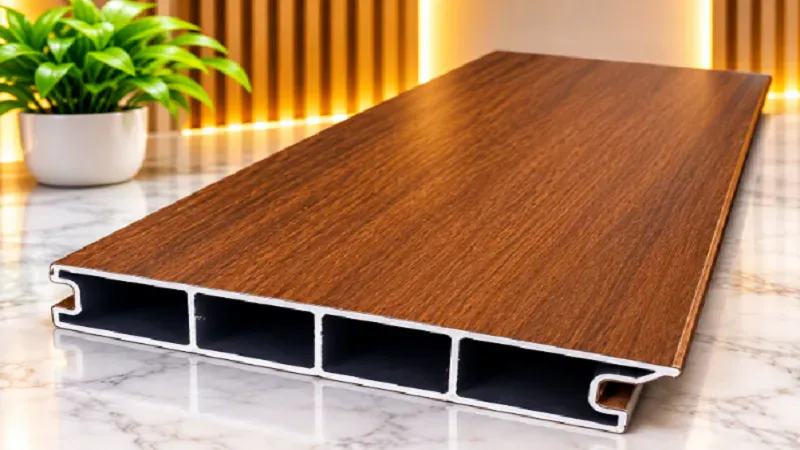
Outdoor living spaces have become one of the most valued parts of a modern home. Decks, patios, and garden boundaries now serve as extra rooms for dining, relaxing, and entertaining. As homeowners plan these projects, many are asking the same questions: which materials last longest, which are kinder to the environment, and which look good for years without constant work? Wood plastic composite, commonly known as WPC, has emerged as a practical answer. This article explains what WPC is, how it benefits the environment, how it performs over time, and how it fits into home decor. It also offers guidance on choosing a reliable supplier.
What Is WPC and Why Are Homeowners Choosing It?
WPC is made by blending wood fibers or wood flour with recycled plastic and a set of binding additives. The mixture is heated and shaped into boards, panels, and posts that look like natural timber but behave very differently. Homeowners who want a complete outdoor upgrade often look for a dependable wpc fencing supplier who can also provide matching decking, so that the garden boundary and the deck share the same colors, textures, and quality standards. Buying from one source helps keep the finished space consistent, which is something many designers recommend for a polished look.
The material has grown in popularity because it solves several common problems with traditional wood. It does not rot, it resists insect damage, and it does not splinter under bare feet. These qualities make it suitable for families with children and pets, as well as for anyone who prefers to spend weekends enjoying the yard rather than maintaining it.
Environmental Benefits of Composite Materials
Sustainability is a major reason people switch to WPC. A significant share of the plastic used in composite boards comes from recycled sources, such as discarded packaging and industrial offcuts. Giving this waste a second life keeps it out of landfills and reduces demand for virgin plastic.
The wood component also tells an environmental story. Many manufacturers use reclaimed sawdust and wood fibers left over from furniture and flooring production. Because composite boards do not need to be sourced from freshly felled hardwoods, they can help reduce pressure on forests, especially tropical ones.
Maintenance is another factor. Traditional wooden decks need regular staining, sealing, and painting, and these products often contain chemicals that can wash into soil and water. WPC boards need only occasional cleaning with soap and water, which means fewer harsh substances entering the garden ecosystem. Over a lifespan that can stretch past two decades, the reduction in chemical use, replacement boards, and discarded materials adds up.
Durability and Low Maintenance in Real Conditions
A deck or fence faces sun, rain, humidity, frost, and heavy foot traffic. WPC is engineered to handle this exposure. Quality boards contain UV stabilizers that slow fading, and their dense structure limits moisture absorption, which prevents warping, cracking, and mold growth. Many products also offer slip resistant surfaces, an important feature around pools and in rainy climates.
Homeowners often compare long term costs rather than purchase price alone. A composite deck may cost more at the start than a basic pine deck, but it avoids recurring expenses for sealants, stains, labor, and board replacement. Over ten or fifteen years, the total spending is frequently lower. For people who value their free time, the lack of seasonal upkeep is an additional benefit that is difficult to measure in money.
Home Decor Possibilities with WPC
Beyond performance, WPC has a lot to offer in terms of design. Manufacturers produce boards in a wide range of colors, from warm teak and walnut tones to cool greys and deep charcoal. Surface finishes include brushed, embossed wood grain, and smooth options, allowing the material to suit rustic, modern, or coastal styles.
Here are a few ways homeowners use composite products to improve their outdoor decor:
- Creating a seamless transition from the living room to the patio by choosing deck colors that echo indoor flooring.
- Using privacy fencing in a matching tone to frame the garden and give the space a finished, intentional look.
- Adding composite cladding to exterior walls or pergolas for a warm, natural appearance.
- Combining deck boards in two shades to form borders, patterns, or defined seating zones.
- Pairing the deck with planters, outdoor lighting, and weather resistant furniture for a layered, welcoming atmosphere.
Because the material holds its color well and stays smooth, it also pairs nicely with accessories such as outdoor rugs, lanterns, and potted greenery without needing frequent refinishing.
How to Choose a Reliable WPC Composite Decking Manufacturer
Not all composite products are equal, so selecting the right manufacturer matters as much as selecting the right color. Start by asking about the composition of the boards, including the ratio of wood to plastic and the type of protective additives used. Higher quality products often include a protective outer layer, sometimes called a cap, which improves resistance to stains and fading.
Look for clear information about testing and certifications, such as fire ratings, slip resistance results, and quality management standards. Warranty terms are also revealing, since a longer warranty usually reflects confidence in the product. It is wise to request samples so that you can see the color and feel the texture in your own lighting before committing to a full order.
Experienced producers such as Kreco Composites offer a range of decking, fencing, and cladding solutions designed for residential and commercial projects. Their website at https://www.krecocomposites.com/ provides details on available products, finishes, and manufacturing capabilities, which can help homeowners, builders, and distributors compare options before making a decision. Take time to review installation guidance as well, because correct spacing, ventilation, and fastening play a large part in how well any deck performs.
Conclusion
WPC has proven itself as a practical, attractive, and environmentally conscious material for modern homes. It reuses waste, reduces the need for chemical treatments, stands up to demanding weather, and offers plenty of design flexibility for decks, boundaries, and decorative features. By understanding how the material is made and what separates a good product from an average one, homeowners can invest with confidence. Whether you are building a new deck or refreshing your garden boundary, working with a trusted wpc fencing supplier and an experienced decking producer will help you create an outdoor space that looks beautiful, lasts for years, and respects the environment.